 Poseidon
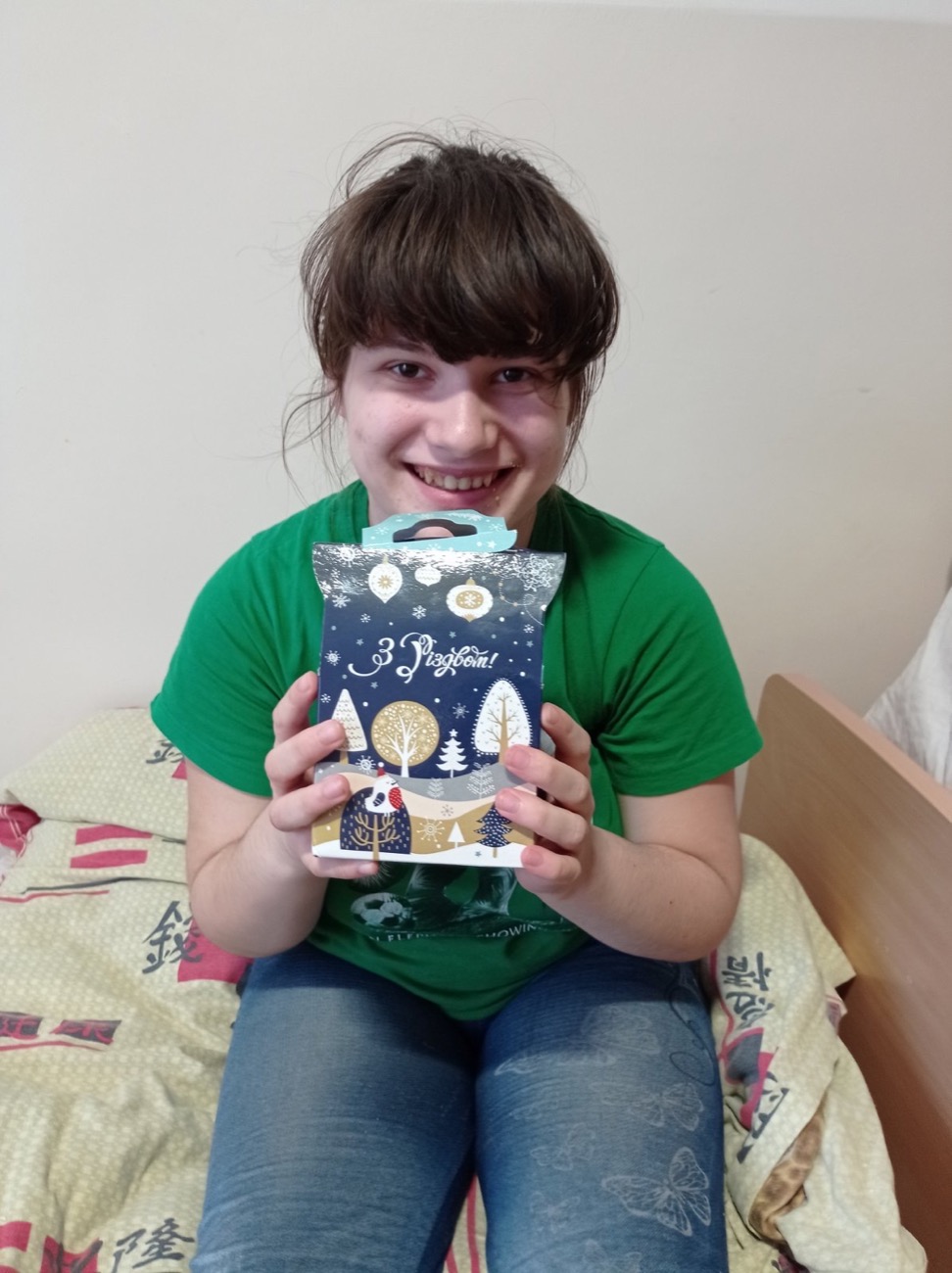
You can help orphans without money too: give time and regular attention, teach a skill, become a mentor, pass on needed things, help with repairs, transport or a professional service, run a workshop or spread verified information. The most valuable resource for a child growing up without a family is not a wallet but the presence of an adult to whom they matter.
When the budget is tight, it's easy to think: «I'm not much use right now, I'll help sometime later». That is one of the most common mistakes. It is precisely non-material help — time, attention, skills — that children often need even more than things. Here are ten concrete ways that cost nothing but desire and a little time, and that really change lives.
Why money is not the main thing
Children growing up in institutions rarely lack basic things — food, clothes and shelter are usually provided by the state and regular donors. What they truly lack is stable relationships with adults, individual attention, role models and preparation for independent life. None of that is bought with money, yet every one of us can give it.
10 ways to help
- Become a volunteer at an institution. The regular presence of an adult who comes simply to talk, play, read means more to a child than any one-off gift. The key here is stability.
- Become a mentor. Teenagers preparing to leave critically need an adult friend and reference point — someone to consult about study, work, life. Mentoring is perhaps the most valuable form of help.
- Teach a skill. English, drawing, playing an instrument, coding basics, bike repair, using a computer, cooking simple meals — anything you can do can be passed on.
- Run a workshop. A creative or practical session of a few hours is a celebration for children and no burden for you. It's also a great way to try volunteering.
- Give useful things. Clothes and shoes in good condition, age-appropriate books, board games, sports gear, stationery — but first check with the institution what's needed now.
- Help with your hands. Repairs, cleaning the grounds, fixing furniture or equipment, arranging a playground — institutions always lack working hands and skilled people.
- Offer your expertise. Lawyer, psychologist, dentist, hairdresser, photographer, tutor — your profession can be invaluable pro bono help.
- Help with transport. Taking children to an event, bringing aid, escorting to hospital or a competition — logistics is often more important and scarcer than money.
- Spread verified information. Sharing a fundraiser, a child's story or a fund's appeal with your friends may bring someone who helps on a big scale. Your voice is a resource too.
- Just come to holidays and events. Sometimes the main gift is for the hall to be full of adults who care, and for a child to see that the world beyond the institution takes an interest in them.
Children lack not so much things as the feeling that they matter to someone.
Mentoring: a big topic of its own
Of all the ways, mentoring deserves special attention. A leaver aged 16–18 often enters adult life without basic skills that children in families acquire imperceptibly: how to handle money, find housing and work, see a doctor, build relationships. An adult mentor who is simply there and ready to advise sharply raises a teenager's chances of successful adaptation.
Mentoring demands more responsibility than one-off help, so it's worth starting through trusted fund programmes that prepare and support mentors. But the return here is the greatest too — you genuinely change the trajectory of a specific person's life.
What not to do
Good intentions also call for caution. Some «impulses of kindness» can do harm — to children and to the institution itself. Here are the typical mistakes to avoid.
- Don't bring aid spontaneously, without coordinating with the institution — it may turn out to be unnecessary, inappropriate or even forbidden.
- Don't photograph children without permission and don't post their faces for «nice content» or a social-media report.
- Don't hand money or expensive gadgets directly to individual children — it creates inequality and conflict in the group.
- Don't disappear suddenly. For a child who got used to you, a sudden disappearance is a repeated trauma. If you're not sure you can come regularly, better choose a one-off format and say so honestly.
- Don't turn help into a show. If a gesture only makes sense with a camera, it's worth asking who it's really for.
How to choose your way out of the ten
Ten ways is not a list to complete in full. It's a menu to pick from what suits you: your time, skills, temperament and possibilities. There is no universal «best» way — there is the one you can really do steadily, without strain and guilt.
If you have little time but a profession — choose pro bono professional help: a few consultations a month give more than weekly trips you can't sustain. If a living contact matters to you — volunteering or mentoring. If you're an introvert or live far away — online help and spreading the word. If you have a car — logistics. The main rule is the same as in volunteering in general: better less but reliably and regularly than a lot followed by disappearance.
Why non-material help is sometimes more valuable than money
It may seem strange, but many institution staff say it plainly: things and money are enough from time to time, but stable adults nearby are catastrophically lacking. A child with one constant mentor has quite different chances of a successful adult life than a child showered with holiday gifts whom no one talks to about the future.
The reason is simple. A material need can be met once. But the need for attachment, for an example, for a sense of one's own worth, is met only through relationships — through time, attention and consistency. That is why the non-material ways above (volunteering, mentoring, teaching a skill) often have a deeper, longer effect than any material help.
What teenagers especially need before leaving
A word apart about older teenagers — those about to leave the institution for independent life. This is the most vulnerable group, because the statistics on leavers' adaptation are worrying: many lack basic skills, support and reference points. And it is precisely here that non-material help can literally change a destiny.
- Life skills: how to cook, clean, plan a budget, pay for services.
- Financial literacy: how to use a card, avoid debt, understand contracts.
- Orientation in the adult world: how to find housing and work, see a doctor, handle documents.
- Career guidance: help work out who they want to be and what paths exist.
- Emotional support: simply being an adult they can turn to when scared or confused.
If you have life experience and the desire, your help to a teenager with these matters is priceless. You don't need to be a teacher or psychologist for it. You need to be a reliable adult willing to share what is obvious to you but not to them.
If you have no time at all
A separate category is people who sincerely want to help but objectively have neither time for volunteering nor the means to transport things. That's no reason to opt out: even a few minutes a week can do a lot.
- Spread the word. Sharing a verified fundraiser or a fund's story with your circle is a minute of time that may bring someone with more resource.
- Set up a small regular donation. Set up an automatic payment once — and you help monthly without spending any time at all.
- Tell one person about the fund. A personal recommendation works better than any advert.
- Involve your employer. Propose a corporate initiative to the company — one message from you may bring a whole team.
The main idea is simple: there's no «too small» help. There's only the help you can really give now, and the help you put off «for later», which often never comes. Start with what's feasible — and that's already enough.
Why helping is good for you too
Though not the main motive, it's worth saying honestly: helping changes not only the one helped but the one who helps. People who regularly take part in good deeds more often report a sense of meaning, new acquaintances, a wider view of life and even better psychological wellbeing. In hard times the chance to do something useful with your own hands restores a feeling of control and belonging.
This is especially noticeable in work with children. When you see that your simple presence is really needed by someone, many of your own problems start to look different. So help is not only giving. It's an exchange in which you unexpectedly receive no less than you give.
How to start right
The most reliable path is not to go to an institution directly, but to turn to a fund that already works with it. The fund knows the real needs, has established relationships with the institution and will suggest where exactly your help is useful right now. This saves your time and protects you from beginner's mistakes.
Small actions that add up
And finally — about the main misunderstanding that makes people put off helping. We think we must do something big, otherwise there's no point starting. In reality the world is changed not by isolated heroic gestures but by the sum of many people's small regular actions. An hour of your time a week, a skill you shared, a repost that brought a new donor, a kind word to a teenager — all of it adds up to something far bigger than it seems in the moment.
Choose a fund that works with institutions and write: «I have [a few hours / a skill / the ability to bring things]. How can I really help this month?» A concrete offer is always more useful than an abstract wish.
The short version
- You can help orphans without money — with time, attention, skills and mentoring.
- Non-material help (stable relationships, an adult's example) is often more valuable than things.
- Teenagers before leaving especially need support — in preparing for independent life.
- The main rule is reliability: either regularly, or honestly one-off, without sudden disappearance.
- The safest start is through a trusted fund that works with institutions.
Money matters — it heals, feeds and brings holidays. But it doesn't replace the main thing: human attention and stable relationships. And that is what every one of us can give, whatever our means. If you have no spare money now, that's no reason not to help. It's just a reason to help differently.