 Poseidon
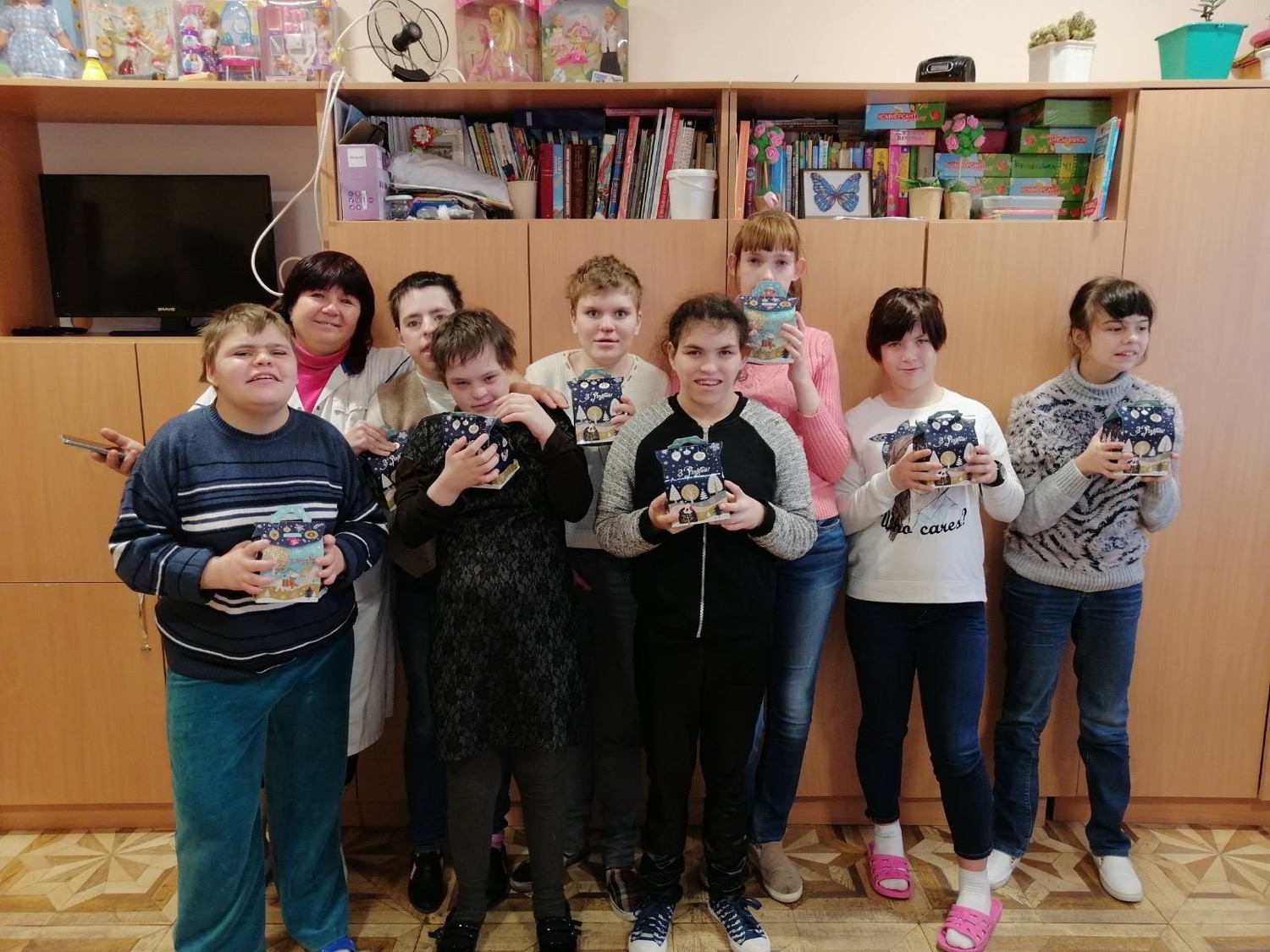
To become a volunteer you don't need special skills, money or much free time. Work out what is closer to you — people, animals, the environment, fundraising or online help; choose a trusted organisation; start with one small one-off task and gradually increase your involvement, agreeing on a realistic scope. The main thing is to take the first step and to be reliable rather than heroic.
Volunteering is often imagined as something large-scale: long trips, whole days, total self-sacrifice to exhaustion. Because of that image many never dare to start — it seems like «all or nothing». In reality it is set up far more simply and humanely. This guide covers the full path from the thought «I want to help» to your first real deed, and advice on doing it in a way that lasts.
Why become a volunteer at all
Volunteering is not only about benefiting others. People who help regularly more often report a sense of meaning, new acquaintances and community, practical skills and even better psychological wellbeing. In hard times the chance to do something useful with your own hands restores a feeling of control and belonging. So it is an exchange in which both sides win.
Step 1. Understand what is close to you
Volunteering comes in very different forms, and there is no «right» or «best» direction — there is the one that suits you. Think about what resonates with you and what you can realistically do regularly:
- Working with people — children in homes and residential institutions, the elderly, people with disabilities, veterans, displaced people.
- Hands and logistics — sorting and delivering aid, packing, organising events and campaigns.
- Professional help (pro bono) — lawyer, psychologist, doctor, accountant, designer, marketer, IT specialist.
- Online — running the fund's social media, translations, data processing, fundraising within your circle.
- One-off event help — coming to a specific campaign when you have a free day.
If working with children resonates, it's worth honestly weighing your capacity. This direction is about stability and predictability, not a one-off impulse: for a child who gets used to an adult, that adult's sudden disappearance is painful. Here it is better to do less but reliably.
Step 2. Choose a trusted organisation
In theory you can help on your own, but joining a fund or a trusted initiative is almost always more effective. An organisation provides structure, training, access to institutions, legal protection and a team to back you up. On your own it is easy to make mistakes or burn out.
Before joining, check the organisation as carefully as you would before a money donation: presence in the register, reports, reputation, live contacts. A good fund will gladly tell you what help is needed and won't ask a newcomer for anything strange.
A beginner volunteer is valuable not for heroism but for reliability: they came when they promised.
Step 3. Start small
The most common beginner's mistake is taking on too much at once. The enthusiasm of the first weeks pushes you to promise mountains, then your strength runs out, guilt appears — and the person disappears entirely. To avoid this, start with the minimum.
- Agree on one specific one-off task — help at a campaign, bring things, spend a few hours at an institution with the team.
- See from the inside how everything works, get to know the people, feel the format.
- If it resonated — agree on a regularity you can definitely sustain (say, once every two weeks).
- Increase your involvement gradually, not in a leap.
Step 4. Learn the rules and boundaries
In work with vulnerable people — especially children — there are rules worth learning from the very start. They protect both those in care and you.
- Don't photograph children without the institution's permission and don't post their faces for «content».
- Don't make promises you can't keep («I'll take you away», «I'll come every day»).
- Coordinate any help with the institution — even the most sincere impulse can be inappropriate.
- Keep boundaries: you are a friend and helper, not a replacement for family or staff.
- Respect the privacy and dignity of the people you help.
Step 5. Don't burn out
Burnout is the main enemy of long-term volunteering. It creeps up quietly: first you do everything and for everyone, then you start to feel tired and irritable, then guilt and a wish to drop it all. To prevent that, take care of yourself as much as of others.
- Agree on a realistic scope — better less but stable for years.
- Remember boundaries: you are helping, not saving the world single-handed.
- Note small results — they are the real meaning, not an abstract «save everyone».
- Talk to the team when it's hard: in healthy funds that is the norm, not weakness.
- Allow yourself breaks without guilt — a rested volunteer is more useful than an exhausted one.
Types of volunteering in more detail
To choose a direction consciously, it helps to picture how each kind looks in practice and whom it suits.
- Volunteering with institutions (children's homes, residential homes, care homes) — regular visits, conversation, help with care or leisure. Suits those ready for consistency and working with people.
- Event volunteering — helping at specific campaigns, events, fundraisers. An ideal start for those who want to try without long commitments.
- Logistics volunteering — sorting, packing, transporting aid. Suits those who like concrete tasks with a visible result.
- Professional (pro bono) — applying your profession for a fund's benefit. The most effective way for busy specialists.
- Digital volunteering — remote help with communications, data, content. Suits those with little time for offline.
The legal side: what to know
In Ukraine volunteer activity is regulated by law, and that is not a formality but protection for both sides. A volunteer may act either independently or through a volunteer or charitable organisation. Working through an organisation has advantages: it can formalise the relationship, insure you, reimburse certain costs, provide documents confirming your volunteer activity.
Most beginners don't need to dive deep into legal detail — it is enough to choose a legitimate organisation and act within it. But if you plan serious, regular involvement, it makes sense to find out exactly how the fund formalises cooperation with volunteers and what it gives you.
Corporate volunteering
A separate format gaining momentum is corporate volunteering, where a company organises employees' participation in good deeds. It can be a joint volunteer day, matched-giving fundraising, providing the team's professional services to a fund pro bono. For business it bonds the team and really helps; for a fund it brings many hands and resources at once. If you work at a company, try proposing such an initiative — employers often respond more readily than you'd expect.
What to expect on the first day
The unknown is scary, so it helps to picture how things usually go. On your first time a coordinator or a more experienced volunteer will most likely meet you, briefly explain the rules and tasks, introduce the team. No feats are expected of you — rather simple, concrete actions: help, chat, do what you're shown. Don't be afraid to ask questions and to say if something is uncomfortable. A first experience is above all getting to know the format, not an exam.
Myths that stop you at the start
Plenty of false notions have built up around volunteering that scare people off before the first step. Let's dispel the most common.
- «You must devote all your free time to it.» No. You can help a few hours a month — and that is already real benefit. Regularity matters more than volume.
- «You need special skills or education.» For most directions you only need desire and reliability. The rest is taught on the spot.
- «It's only for the young / for those with lots of energy.» People of any age and temperament volunteer. There's a format for an introvert and a busy person alike.
- «If I start, I won't be able to leave.» Volunteering is voluntary: you choose the scope and can pause or finish at any moment.
- «One person makes no difference.» They do. It is precisely individual efforts that add up to a fund's whole work.
Most of these myths rest on imagining volunteering as maximally demanding — and, not daring the «feat», the person does nothing at all. In reality the barrier to entry is far lower than it seems. It is enough to start small — and most fears dissolve after the first experience.
Common beginner fears
«What if I say the wrong thing?», «I have no special skills», «What if I run out of strength?» — almost everyone has these doubts at the start. The truth is that most institutions and funds need, above all, simple, reliable hands and a living presence, not perfect words or rare talents. You pick up skills in the process, and sincerity matters more than experience.
How not to quit after a month
The statistics of any volunteer movement are the same: many start inspired, but some drop out within weeks. The reason is almost always not that they «stopped wanting to help», but that they miscalculated their strength or failed to fit volunteering into real life. A few simple habits markedly raise the chances of lasting.
- Make it a regular ritual, not random impulses — say, a set day or hour reserved for volunteering.
- Don't take on too much at the start — better to build up than burn out and quit.
- Find «your» team — the support of like-minded people holds you when it's hard alone.
- Allow yourself breaks without guilt — rest doesn't make you a bad volunteer.
- Record small wins — they remind you why it all matters when tiredness rolls in.
What volunteering gives in the long run
Looking not at a week but at years, volunteering becomes something bigger than «help in your spare time». People who do it consistently often say it changed their circle, their views, and sometimes their career path. Volunteering gives experience you won't get anywhere else: working with different people, solving tricky situations, organisation, empathy. For some it even becomes a springboard to a new calling.
But the main thing isn't even that. The main thing is the feeling that you are not just watching what happens around you but are really part of it; that through your actions, however modest, you make someone's life a little better. That feeling is hard to overrate, and it is what keeps people volunteering for years.
Choose a fund whose work you've already seen and trust, and write one message: «I want to help, what's needed now?» Most often simple, concrete hands are needed — and that is where most volunteers' path begins.
The short version
- To become a volunteer you don't need special skills, money or much time.
- Choose a direction (people, logistics, profession, online), pick a trusted organisation and start small.
- The main thing is reliability and regularity, not heroism: better less but stable.
- To avoid burnout — a realistic scope, boundaries, breaks without guilt and team support.
- Most beginner fears dissolve after the first experience.
Don't wait for the «perfect moment» when lots of free time and energy appear — it rarely comes. Start small right now, and very soon you'll be surprised how natural this part of your life becomes.