 Poseidon
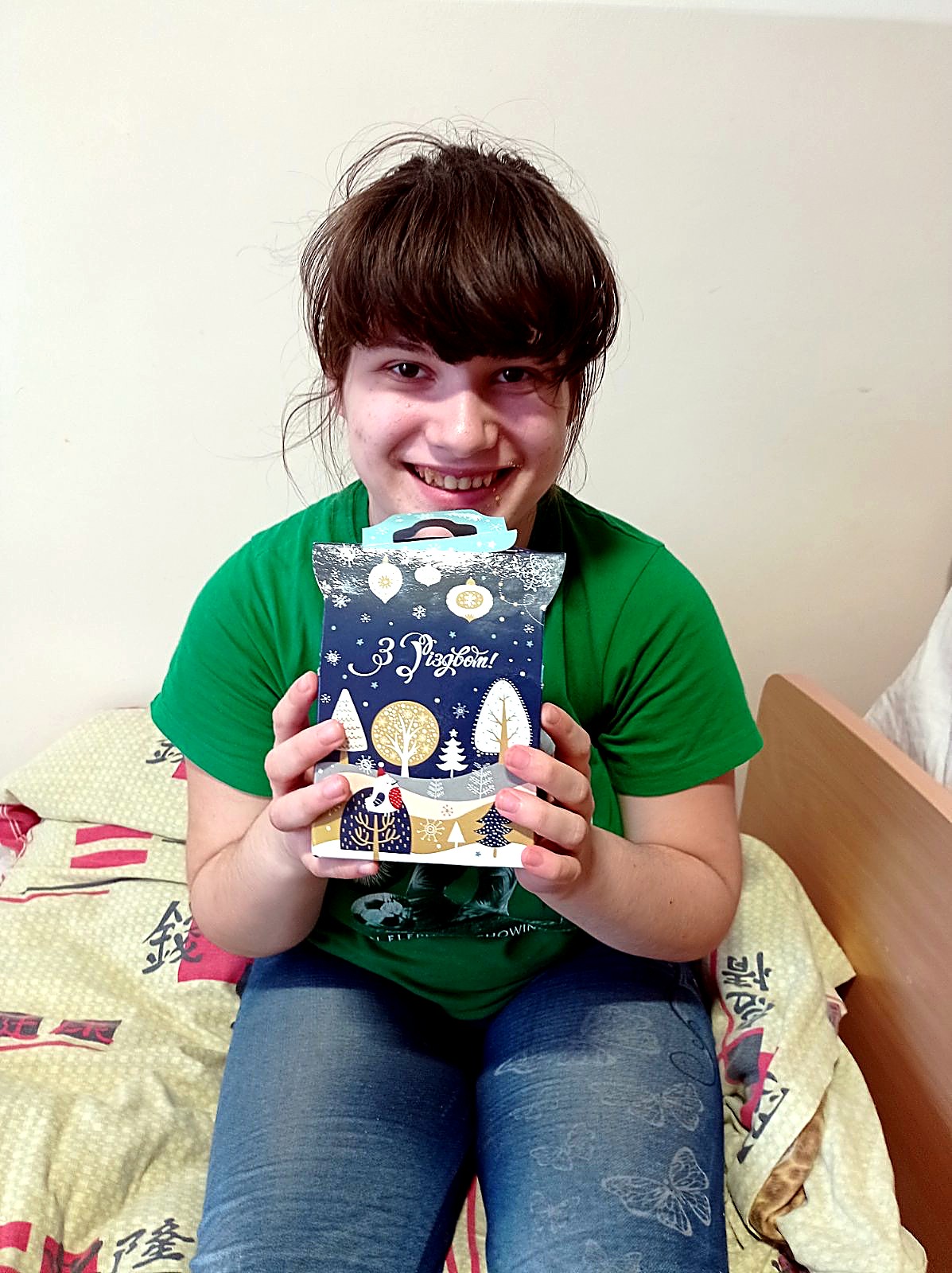
The Poseidon charitable foundation began its activity back in 2013, and received official status in 2021. From the very start the fund chose the path of systematic rather than one-off help, and today supports four groups of people who need it most: children from children's homes, the elderly, people with disabilities and combat veterans. At the heart of its work are regularity, transparency and documented results.
Behind every fund stand specific people and a specific point where it all began. Abstract slogans are worth nothing without the story and the deeds behind them. So let's tell it honestly: where «Poseidon» came from, why it works the way it does, and what stands behind the words about «systematic help».
How it all began
The fund's story began in 2013 — and it began not with founding documents, stamps or registrations, but with a simple human impulse. A few people who cared decided not to walk past someone else's trouble where they could really help. At first it was entirely informal help: raise funds or things, buy what was needed, bring it, support a specific person or institution.
Such a beginning is typical of many genuine initiatives. At first you simply do good where you see a need. But in time comes an understanding: if you do it chaotically, from case to case, the benefit is limited. Help comes and goes; today you responded, tomorrow you forgot. And the main idea is born that will later define everything: help must be systematic.
From impulse to system
The transition from one-off good deeds to systematic work is always the maturing of an initiative. It means giving up the tempting ease of «helped and forgot» in favour of a more complex but far more effective approach: constant programmes, steady relationships with institutions, regularity instead of flashes.
For «Poseidon» this meant a gradual shift from isolated campaigns to long-term directions. Instead of staging a celebration once a year and vanishing, the fund began to build constant cooperation — so that help would arrive evenly and those in care could count on it not only at Christmas.
Official status in 2021
In 2021 the fund received official status as a charitable organisation. For some that's a formality, but in reality it was a conscious and important step towards transparency and responsibility.
Official registration means quite concrete things: open founding documents, keeping records and reporting, non-profit status with its legal guarantees, the ability to work with institutions on the basis of contracts rather than verbal arrangements. It's a move to a new level of trust — when a fund doesn't just ask to be taken at its word, but backs its work with documents anyone can check.
We are neither a state nor a commercial structure. Our work rests on people who believe in charity as a daily practice.
Whom the fund helps today
«Poseidon» consciously doesn't narrow itself to a single category of those in care. Among its directions of work are four groups of people, united by the fact that they most need support and yet often remain outside attention.
- Children from children's homes and residential institutions — those growing up without a family, who need not only things but attention, development and preparation for independent life.
- The elderly, left without proper care and attention.
- People with disabilities, who need social rehabilitation, support and attention.
- Combat veterans and their families — those who defended us, and who need respect and help returning to civilian life.
This conscious unwillingness to «specialise narrowly» is a stance: care shouldn't divide into convenient and inconvenient categories. Where there's a real need and a chance to help, the fund tries to be present.
How the daily work is arranged
Behind the loud campaigns stands the unnoticeable but main part of the fund's work — the daily routine. In line with its statutory tasks, the fund develops its own charitable programmes for specific needs, engages specialists and specialised volunteers, concludes contracts with institutions, services and suppliers, organises events and campaigns, raises funds from organisations and individuals, and purchases everything needed — from food to gifts and special supplies.
It is this invisible work — coordination, logistics, arrangements, reporting — that turns isolated good intentions into real, sustainable help. The bright celebrations in the photos are only the tip of the iceberg; its main part is hidden in daily affairs.
Six directions of work from the statute
For help to be systematic, it must rest not on mood but on clearly defined directions. The fund's statute outlines six key tasks that together make up the mechanism of its work:
- Develops its own charitable programmes — long-term directions for specific, studied needs, not chaotic campaigns.
- Engages specialists — from social workers and psychologists to specialised volunteers, since quality help often requires competence.
- Concludes contracts with children's homes, residential institutions, services and suppliers — so that cooperation is official and transparent.
- Organises events and campaigns — social and cultural, from celebrations to educational initiatives.
- Raises funds from organisations and individuals — building a sustainable resource base.
- Purchases what's needed — from food to gifts and special supplies — targeted, for real requests.
These six directions don't exist separately — they work as a single system. A programme defines the need, specialists and contracts ensure quality and legality, raised funds provide the resource, and purchases and events turn it all into concrete help for specific people.
Partners and confirmation of the work
No fund works in a vacuum. Over the years «Poseidon» has built steady relationships with institutions — children's homes and residential institutions, social and other institutions. It is these partnerships — not the loudness of statements — that are the real indicator that a fund truly works rather than merely raising funds.
One confirmation of this work is the letters of thanks and distinctions from institutions and departments, which the fund keeps and shows openly. A letter of thanks from a children's home or another organisation is the voice of a third party that received help, and it weighs more than any self-promotion. For the fund these documents aren't trophies but proof that the trust is justified.
The people thanks to whom the fund exists
Any account of a fund would be incomplete without the main thing — without people. A fund is not an abstract structure or a bank account. It's the founders who once decided not to walk past. It's the volunteers who give their time and skills. It's the specialists working with those in care. It's the partner institutions that trust the fund. And it's the donors — those who, with their contributions, large and small, make all this work possible.
A special role is played precisely by regular donors. Their monthly contributions are rarely large, but it is they that give the fund the main thing — predictability, the ability to plan help ahead and not depend on seasonal spikes. Behind every long-term programme stand not loud patrons but thousands of ordinary caring people who decided to help constantly. In a sense, the real story of the fund is the story of these people.
So, speaking of itself, the fund avoids the language of «we did». More accurate is «we were able to do together»: together with volunteers, partners and donors. No fund works by itself; it is only an instrument through which the care of many people turns into concrete help for specific people.
The values on which everything rests
Behind the years, figures and directions stand a few simple principles that make the fund what it is.
- Systematic approach. Regular help matters more than one-off flashes, however striking.
- Transparency. Open documents, reports and readiness to answer questions — not a formality but the basis of trust.
- No intermediaries. Help should reach its address with minimum losses on the way.
- Respect for dignity. Those in care are not objects of pity but people who need support and are treated with respect.
- Humanity. Behind all the processes always stands a simple idea — not to walk past when you can help.
How to join the fund's story
The best thing about a story still being written is that anyone can become its author. You can join «Poseidon's» work in very different ways, and you needn't have great means or much free time for it.
- A regular donation — even a small sum monthly gives the fund the main thing: the ability to plan.
- One-off help — support a specific fundraiser or direction.
- Volunteering — give your time, skills or professional help.
- Handing over needed things — at the prior request of the fund or an institution.
- Spreading information — tell your circle about the fund's work; sometimes it brings those who help on a large scale.
Why «systematic» is a principle, not a slogan
The fund's main principle is regularity. Help that repeats monthly means more to those in care than a loud one-off campaign, because they can count on it. That's exactly why «Poseidon» stakes on long-term programmes, transparent reporting and real, documented results — from food help for families to celebrations for children and letters of thanks from partner institutions, which the fund treasures as confirmation that help really arrives.
What stands behind the reporting figures
When a fund speaks of «dozens of campaigns» or «hundreds of children», behind these dry figures always stand specific stories. One New Year's morning where a child laughs sincerely for the first time in a long while. One family that, thanks to food help, got through a hard month. One teenager who, thanks to the attention of adults, came to believe they have a future. Statistics are needed for transparency and planning, but the real meaning of the work is in these separate, outwardly unremarkable moments.
That's exactly why the fund avoids chasing pretty big numbers for the numbers' sake. Far more important than how many loud campaigns were held for the report is whether help continues when no one is watching — on weekdays, between holidays, without cameras. A systematic approach is measured not by peaks of activity but by the evenness of the line across the whole year.
Mistakes and lessons along the way
It would be dishonest to tell any fund's story as a flawless triumph. The path from an informal initiative to a systematic organisation is always also a path of mistakes from which conclusions are drawn. The understanding that spontaneous help without coordination can be ineffective. The realisation that without documents and reporting it's impossible to build trust. The experience that it's better to have fewer directions but done well than to scatter across everything at once.
It is precisely these lessons that shaped the current approach: system instead of chaos, transparency instead of words, steady partnerships instead of one-off gestures. Every mature fund goes through this maturing, and it matters more than any beautiful founding legend.
Over the years of work — dozens of campaigns held, hundreds of children for whom it became a little warmer, and constant partners among institutions. But the main figure for the fund is not on a banner, but in the fact that help continues monthly, not only on holiday dates.
A story being written further
«Poseidon's» story is still being written — and that, perhaps, is the most important thing. The fund isn't a finished project but a living cause that continues as long as there's a need and people ready to respond to it. And everyone who joins — by a donation, volunteering, professional help or simply spreading information — becomes part of this story.
For a fund is always not documents, not stamps and not fine words. A fund is the people who care and those they help. Everything else is only instruments to keep that help honest, systematic and reaching its address.