 Poseidon
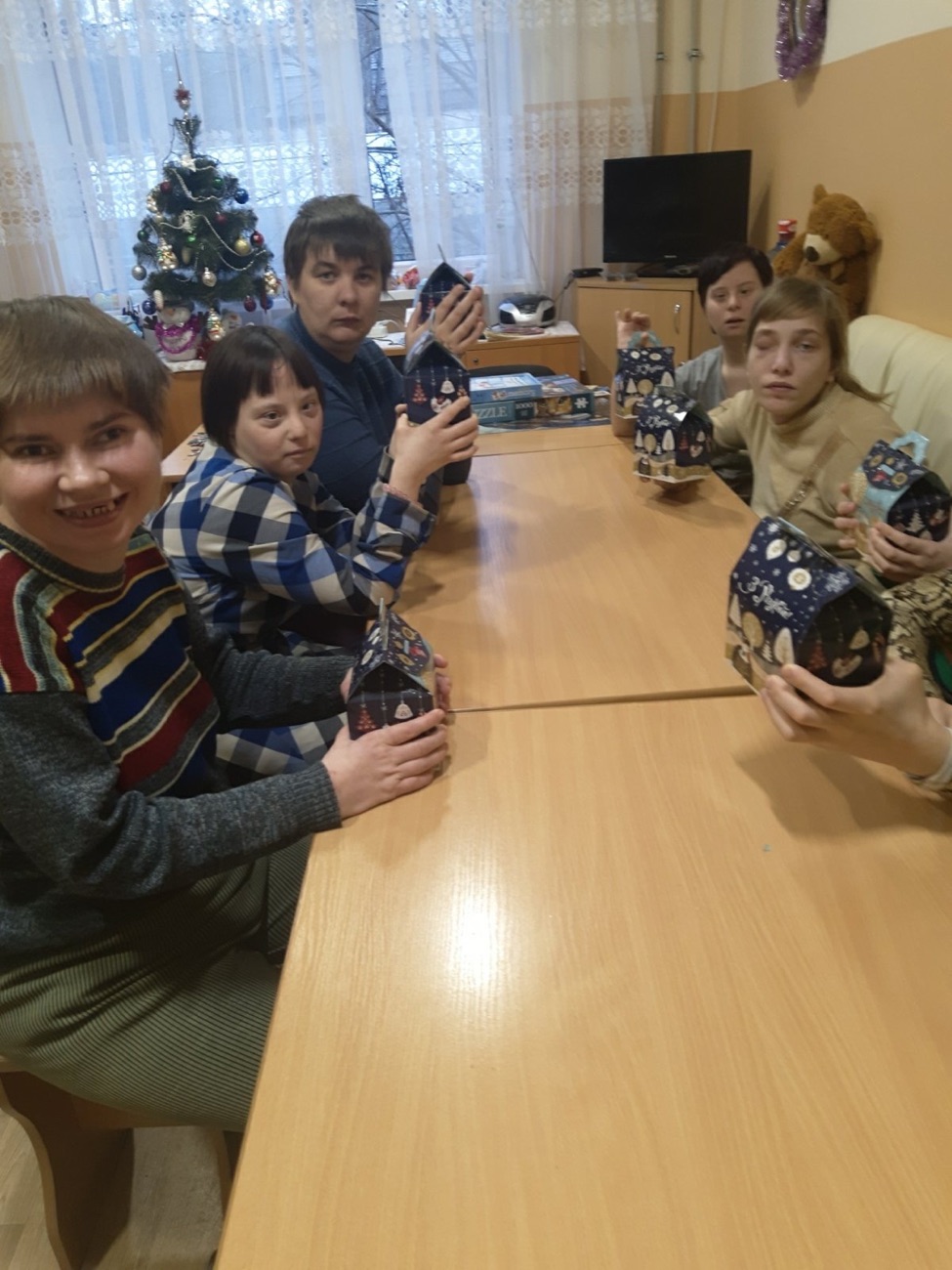
Before taking things to a children's home, always check with the institution or a fund what exactly is needed. Usually useful are hygiene products, stationery and developmental materials, sports gear, age-appropriate books and new clothes in basic sizes on request. Large amounts of sweets, worn second-hand items in doubtful condition, perishable food without arrangement, and random things «just to give away» more often create problems for an institution than really help.
The wish to bring children something nice is sincere and touching. But help becomes help only when it's really needed and appropriate. Otherwise the institution turns into a store of unwanted items, staff spend time sorting the excess, and some of the things simply spoil. This guide will help make sure your contribution really hits the mark.
Why you can't just bring «whatever you have»
Every institution has its own, very specific situation. Somewhere hygiene products and nappies are short; somewhere sports equipment; somewhere they're raising funds for a specific child's treatment; and somewhere the stores are already packed with second-hand clothes with nowhere to go. Spontaneous help of «whatever was at home» doesn't account for these needs — and often creates more trouble than benefit.
Besides, there are things an institution simply has no right to accept or use for reasons of safety, sanitary norms or rules. So the first rule of any material help is: ask first, bring later.
Why good intentions sometimes harm
It's worth honestly admitting an unpleasant thing: some of the aid brought to institutions actually creates more problems than benefit. And it's not about bad people — on the contrary, almost everyone acts from the best motives. It's that the intention doesn't account for the institution's real situation. A box of random things «from the heart» can turn into hours of staff work sorting it, utilising some, and storing the rest somewhere.
So the main idea of this article is simple: kindness should be not only sincere but thought-through. The difference between «I brought what I wanted» and «I brought what's needed» is the difference between satisfying your own impulse and really helping another. The second takes a little more effort at the start (ask, check, coordinate), but it's what truly helps.
What is usually needed
Below is a rough list of what's most often useful to institutions. But treat it as a guide, not a final list: always check specific needs.
- Hygiene products: toothpaste and brushes, shampoo, soap, gels, cleaning supplies, nappies (for institutions with toddlers or children with disabilities).
- Stationery and developmental materials: notebooks, paints, pencils, modelling clay, craft kits, educational games.
- Sports gear: balls, skipping ropes, board games, equipment for active sessions.
- New clothes and shoes in basic sizes — by prior request about sizes and season.
- Age-appropriate books and study aids.
- Equipment and furniture (laptops, appliances, furniture) — strictly after coordination, as not everything can be put on the institution's balance.
- Targeted help for a specific need — medicine, treatment, special equipment — on the fund's or institution's request.
What's better not to bring
And these are things that turn from good intentions into a problem. Not because they're «bad», but because they're out of place in the institution's context.
- Piles of sweets. In large amounts they harm children's health and teeth, spoil quickly and create inequality. A little for a holiday is great; sacks are already a problem.
- Worn second-hand toys and clothes in poor condition. An institution is not a recycling point. Give only what you wouldn't be ashamed to present.
- Random things «whatever was at home» with no request from the institution.
- Perishable food without a prior arrangement about quantity and storage.
- Dangerous or age-inappropriate items — anything that doesn't meet sanitary norms or safety rules.
- «For-show» gifts, after which only the social-media photo matters.
The best help is not what's convenient to give, but what's really lacking.
A real-life story: a store of unneeded clothes
A typical situation described by institution staff: after a season of «good impulses», storerooms fill with sacks of second-hand clothes, much of it fitting neither by size nor condition. Staff spend days sorting, some has to be utilised, and for the things really needed — say, sports shoes in specific sizes — there's no money or space left. One coordinated list instead of ten spontaneous sacks would remove this problem entirely.
Needs differ by type of institution
It's a mistake to think all institutions are the same. A home for toddlers, a residential school for older children, an institution for children with disabilities have very different needs. What's critical in one may be superfluous in another. That's exactly why no universal list exists, and a request to the specific institution is a must.
- Institutions with toddlers: nappies, care products, baby food, age-appropriate developmental toys.
- Institutions for schoolchildren: stationery, books, sports gear, clothes and shoes in current sizes, equipment for study.
- Institutions for children with disabilities: special care products, hygiene, sometimes specialised equipment on specific request.
- Institutions with older teenagers: everything that prepares for independent life, from practical skills to basic household items.
Seasonality of needs
Institutions' needs change through the year, and that's worth considering. Before the school year, stationery, backpacks, clothes and shoes are relevant. In winter — warm clothes, cleaning supplies, vitamins. Before holidays — everything for the celebration, but within reason. In summer — sports gear, things for outdoor activities. Ask an institution about seasonal needs and you'll almost certainly hear something concrete and relevant right now.
Why quality matters, not quantity
A common trap is the urge to bring «as much as possible». But for an institution ten quality, needed things are better than a hundred random ones. A large amount of the unnecessary creates a storage, sorting and disposal problem, taking up staff time and space. So before gathering aid, ask yourself a simple question: is this really needed by the institution — or do I just want to give a lot?
The same principle applies to the state of things. The rule is simple: don't bring what you wouldn't give to a loved one. If a thing is worn, dirty or broken, its place is not in an institution but in recycling. Respect for those you help begins with the quality of what you bring.
Often forgotten: the institution's own needs
Talking about helping a children's home, we almost always think of the children — toys, clothes, sweets. But an institution is also a building, housekeeping and daily life, which also need resources, and are mentioned far less often. It's often here that the biggest, if least «photogenic», need lies.
- Household chemicals and cleaning supplies in large volumes.
- Household bits, tools, consumables for repairs.
- Equipment for the kitchen, laundry, classrooms.
- Furniture, bed linen, towels — by agreement.
- Funds for minor repairs and arranging the space.
Such help doesn't make a striking photo with a smiling child, so it's rarely offered. But for an institution it's often more critical than another batch of gifts. If you really want to help where it hurts most, ask about the «invisible» housekeeping needs. The answer may surprise you.
Why it's easier to act through a fund
A fund that constantly works with an institution knows its needs in detail and will help direct your aid where it's needed now. It can combine your help with others', take on logistics, formalise the handover and make sure everything arrives. For you that's saved time and nerves; for the institution a guarantee that exactly what's needed arrives, not another store of surplus.
Things or money: which to choose
A frequent question: which is better — to bring things, or transfer money so the institution or fund buys what's needed itself? There's no single answer; each option has its pluses. Things are more tangible and concrete, pleasant to gather and hand over in person. Money is more flexible: the fund buys exactly what's needed, in the right quantity, often cheaper thanks to bulk purchasing, and with no risk of bringing «the wrong thing».
The general rule is this: if you know the current need precisely and can meet it with quality things — great, bring things. If you doubt, or want the help to be as effective as possible — a money donation to a trusted fund will almost always work better. And if you want both specifics and effectiveness — support the fund's targeted fundraiser for the institution's specific need.
How to organise your own fundraiser for an institution
Sometimes a person wants not just to help themselves but to gather help together with others — colleagues, friends, neighbours. That's a great idea, but here too it's important to do everything right so the effort isn't wasted.
- First agree with the institution or fund a specific list and quantity of what's needed.
- Formulate a clear, understandable appeal: what exactly you're collecting, for whom, by what deadline.
- Appoint someone responsible for collection, storage and handover, to avoid confusion.
- Arrange the logistics in advance — how and when everything will be handed over.
- After the handover, thank all participants and show the result — it closes the circle of trust and motivates helping again.
The most reliable format of your own fundraiser is in partnership with a fund that works with the institution. The fund takes on checking needs, logistics and paperwork, while you focus on the main thing — engaging people and doing good.
A pre-trip checklist
So you don't forget anything, keep a short checklist in mind. Before taking aid, make sure you've: clarified the institution's current needs; agreed on quantity, sizes and deadlines; prepared the things clean, sorted and in good condition; arranged the time and way of handover. Four simple points — and your help is guaranteed to be appropriate.
One call or message to a fund before a trip makes your help ten times more useful. Just ask: «What do you need this month and in what quantity?» — then act on the answer.
The short version
- Always check an institution's needs before bringing anything — that's the main rule.
- Useful: hygiene, stationery, sports gear, books, new clothes on request, and the «invisible» housekeeping needs.
- Undesirable: piles of sweets, worn second-hand items in poor condition, random things «whatever was at home».
- Quality over quantity: ten needed things are better than a hundred random ones.
- It's most convenient and effective to act through a fund that works with the institution.
Thought-through help is a form of respect for those you help. A little attention to detail at the start, one clarifying call — and your contribution is sure to hit the mark rather than settle as dead weight in a store. That is the kind of help that's truly valuable.