 Poseidon
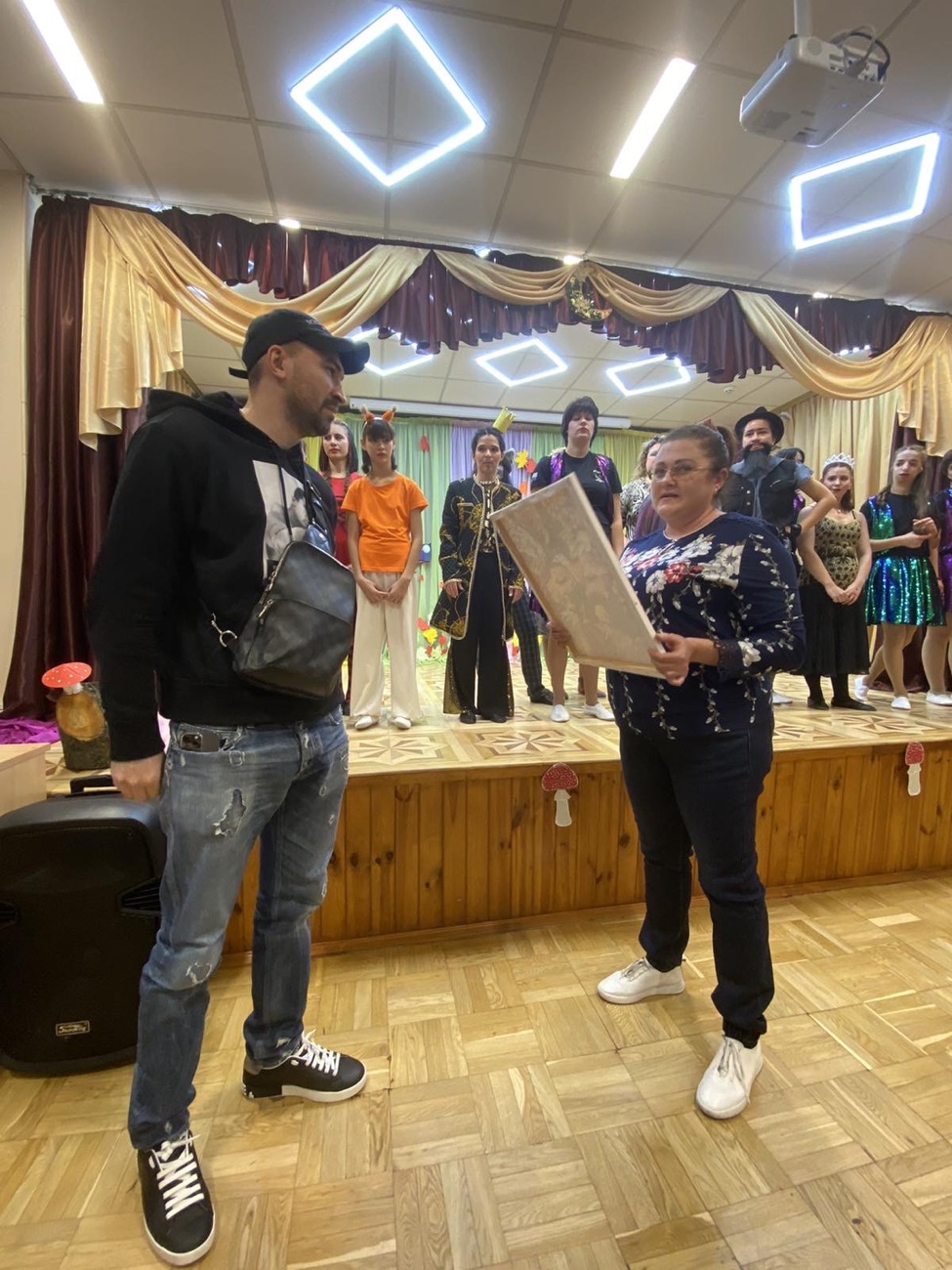
You can help veterans in various ways: support funds engaged in rehabilitation and adaptation, help with employment and retraining, provide professional services pro bono, support families, and above all — treat them with respect and not leave a person alone. The most valuable help is often not material: it's the feeling that a veteran is needed and respected at home, and that society hasn't forgotten them.
The return to civilian life after service is a distinct, difficult path, and everyone travels it in their own way. On this path what matters is not only the state with its programmes, but ordinary people nearby: employers, neighbours, volunteers, friends. This guide is about how to support veterans really and correctly — not out of pity, but out of respect.
Directions where support is needed
Veterans' needs are varied and not reducible to money. Understanding the main directions will help you choose where exactly your help will be appropriate.
- Rehabilitation. Physical recovery, prosthetics, treatment, psychological help — all of this often requires resources beyond state programmes, and coordination.
- Adaptation and employment. Help with retraining, finding work, starting one's own business, acquiring a new profession.
- Legal and social support. Arranging status, benefits, documents, protecting rights — things that often drain a person with bureaucracy more than it seems.
- Psychological support. Access to specialists, community, mutual-support groups — a critically important direction that is nothing to be ashamed of.
- Support for families. Helping veterans' families — spouses, children, parents — is also part of helping the veteran themselves.
How to help correctly: a matter of respect
Helping veterans requires particular tact. The main principle is respect, not pity. A veteran is not an object of sympathy but an adult with dignity, experience and their own decisions. If you want to help a specific person, ask what they need rather than deciding for them based on your own notions.
Support trusted funds and initiatives with real experience working with precisely this audience — the veteran sphere has many nuances, and specialised organisations know them better than random benefactors. If you help directly, do it quietly, without unnecessary publicity and without turning it into a news occasion.
A veteran needs not pity, but respect and a place to come back to.
Rehabilitation: a marathon, not a sprint
Physical and psychological recovery after service is a lengthy process that rarely fits state limits and deadlines. Prosthetics, recovery from injuries, working through the consequences of concussions, psychological rehabilitation can last months and years and require resources beyond the basic programmes. It is here that systematic support from funds often closes the gap between what the state guarantees and what a person really needs.
For a donor this means that supporting rehabilitation programmes is one of the most concrete forms of help for veterans. Unlike abstract «help in general», a fundraiser for specific prosthetics, a recovery course or psychological support has a clear, measurable result. If you want your help to be tangible, look precisely for such targeted programmes at trusted funds.
Returning to work and purpose
A separate and very important dimension of adaptation is the return to working life. For many veterans, work is not only income but the structure of the day, a sense of being needed, a connection to society. Help here can take different forms: retraining in a new profession, support in starting one's own business, assistance in the job search, and the very readiness of an employer to give someone a chance.
If you're an entrepreneur or manager, your openness to hiring veterans is already weighty help requiring no donations. And if you can share professional knowledge, mentoring in a profession or business for a veteran finding their way in civilian life is sometimes worth more than any financial support.
How an employer can help most of all
One of the most powerful and most underrated forms of support is work. For many veterans, a return to a familiar rhythm, a sense of being needed and financial independence mean no less than any material help. If you're an employer, a real tool is in your hands.
- Be open to hiring veterans and don't fear «peculiarities» — most need not concessions but an ordinary chance.
- Offer flexibility where it's needed (for example, to combine with rehabilitation or treatment).
- Support retraining and education.
- Build a culture of respect in the team, rather than excessive attention or, conversely, avoidance.
What's better not to do
Good intentions can harm if they ignore a person's boundaries and dignity. Here are the typical mistakes worth avoiding.
- Don't impose help or decide for a person what they «need» — ask.
- Don't turn support into a photoshoot or a news occasion for yourself.
- Don't reduce it all to a one-off gesture on a holiday — consistent presence is more valuable.
- Don't ask intrusive questions about what they've been through — let the person decide what to share.
- Don't avoid communication out of fear of «saying the wrong thing» — sincere, simple attention matters more than perfect words.
How to communicate: a few simple guides
Many feel lost, not knowing «how to properly» talk to a veteran. In reality there are no complicated rules. Communicate as with any adult you respect. Don't start by prying into the hard things. Don't say banalities like «I understand you» if you don't have that experience. Be ready simply to listen if the person wants to talk — and to accept it if they don't. Ordinary, sincere human presence is more valuable than any «right» phrases.
Psychological support: a subject not to be feared
Physical wounds are visible, psychological ones are not, so they're often underestimated. Yet psychological adaptation often proves the hardest part of the return. It's important to understand a few things. First, turning to a psychologist or psychotherapist is not a sign of weakness but a normal recovery tool, like physiotherapy for the body. Second, the support of loved ones is priceless here, but it doesn't replace professional help in difficult cases.
If you're close to a veteran, your task is not to «cure» them single-handed or play the role of therapist, but to be there, create a safe space and, if needed, gently support the idea of turning to a specialist. Pressuring, demanding they «tell everything» or dismissing their experiences («come on, it's all behind you now») is harmful. Patience and acceptance work better than any advice.
How not to harm out of the best intentions
The paradox of helping veterans is that excessive, intrusive «care» can wound no less than indifference. A person used to being strong and independent often painfully perceives being treated as a victim or a «problem to be solved». So the key word is balance: be there, but don't smother with care; offer, but don't impose; respect a person's independence and their right to refuse help.
Status and state guarantees: why it's important to know
Many forms of support for veterans are linked to the status of a combat participant and other official statuses that grant rights to benefits, payments, rehabilitation, subsidised education and so on. The problem is that arranging these rights often turns into an exhausting bureaucratic obstacle course: gathering documents, queues, refusals, appeals. And it is here that the help of caring people can be invaluable.
If you're a lawyer, or simply a person good at handling documents, your help with arranging status, benefits or appealing refusals is concrete, major support. If you're not a specialist, you can still help: find a trusted lawyer, accompany the person to an institution, help them navigate electronic services. Orientation in the system of rights is a separate, important form of help that's often lacking.
Long-term support versus a one-off impulse
As in any charity, in helping veterans a one-off gesture yields to consistency. Rehabilitation, adaptation, finding oneself in a new reality are processes lasting months and years, not ending with a single donation or visit. The most valuable thing you can give is the feeling that support is constant, that a person won't be left alone once the first weeks of general sympathy pass.
This also concerns families. The spouses, parents and children of veterans carry a huge, often invisible load. Regular, even small attention to the family — asking how they are, helping with a child, supporting daily life — unburdens the whole family and indirectly helps the veteran themselves more than it seems.
Examples of concrete help
To make the abstract «help veterans» clearer, here are examples of real, feasible actions for different people:
- Employer: open a vacancy with understanding, offer a flexible schedule around rehabilitation, support retraining.
- Doctor, psychologist, dentist: provide consultations or a course of help pro bono through a trusted fund.
- Lawyer: support the arranging of status and benefits, help with appeals.
- Driver: help with transport to hospital, to rehabilitation or to an event.
- Anyone: support a trusted fund's fundraiser, spread information, simply be there and show sincere respect.
What veterans most often do NOT want
For help to be appropriate, it's useful to understand the other side too — what most often irritates or wounds. Many veterans speak of similar things: weariness at being treated either as heroes on a pedestal or as «broken» people who must be saved. Both extremes get in the way of simply living and returning to normality.
So in communication what works best is ordinary human treatment — without excess pathos and without excessive caution. You needn't thank them each time with a trembling voice, but neither should you skirt the topic of service as though it never was. You needn't pry for details, but neither should you pretend nothing happened. Naturalness, respect and readiness to accept a person as they are matter more than any «correct» behaviour scripts.
The long distance matters more than the sprint
Public attention to veterans has its own wave: a surge on certain dates, a fading in between. But people's needs don't adjust to that schedule. Rehabilitation lasts years, finding oneself too, and everyday and psychological difficulties don't vanish after a holiday. So the most valuable support is the kind that remains when general attention subsides.
This concerns both donations to veteran programmes and personal presence. One call every few weeks, a steady small donation to a trusted fund, readiness to help when asked — all of this means more over the long run than a loud one-off gesture. To be there not only at the peak moment of attention but also in the everyday quiet — that is what truly supports.
Simple human attention
Sometimes the greatest help is the simplest things: to thank, to listen, to invite to an event, to help with a household task, to let someone feel that life goes on and they are needed in it. Among its directions of work, the Poseidon Foundation also supports veterans and their families — because care doesn't divide into «convenient» and «inconvenient» categories, and respect for those who defended us should be daily, not a holiday affair.
Choose a fund with real experience working with veterans and ask about a specific need — from a fundraiser for rehabilitation to professional help or support. A concrete, agreed action is always more useful than an abstract wish to «help somehow».
The short version
- The main principle is respect, not pity; ask what's needed rather than deciding for the person.
- Directions of help: rehabilitation, employment and adaptation, legal support, psychological support, help for families.
- Work is one of the most powerful forms of support; an employer can help most of all.
- Psychological help is a normal recovery tool, not a sign of weakness.
- Constant presence is more valuable than a one-off holiday gesture; support trusted veteran funds.
Respect, consistency and readiness to be there — that is what truly supports those who defended us. And it is within reach of every one of us, regardless of means or profession. The main thing is not to confuse help with pity, to remember a person's dignity and to be there not only on holidays, but when it's really needed.